

Pet Dental Care: Small Habits Can Make a Big Difference
If you’ve ever caught a whiff of your dog’s breath and thought, “Well, that can’t be good,” you’re probably right.
A little pet breath is normal. Strong, persistent bad breath usually isn’t something we want to ignore.
Dental health is one of those parts of pet care that’s easy to put off. Your pet is eating normally. They’re playing. They seem happy. So their teeth must be okay, right?
Not always.
Dogs and cats can be surprisingly good at hiding dental discomfort. They can’t tell us that one tooth hurts when they chew or that their gums have been bothering them for weeks. Many pets will continue eating and acting normally even when there’s significant dental disease.
That’s why regular dental care isn’t just about fresh breath or clean-looking teeth. It’s about keeping your pet comfortable and catching problems they may not be able to show you.
And there’s quite a bit you can do at home to help.
What’s Actually Happening in Your Pet’s Mouth?
Plaque is constantly forming on your pet’s teeth. If it isn’t removed, it can harden into tartar. Over time, bacteria and inflammation can affect the gums and the tissues that support the teeth.
Here’s the tricky part: some of the most important dental disease happens where you can’t see it.
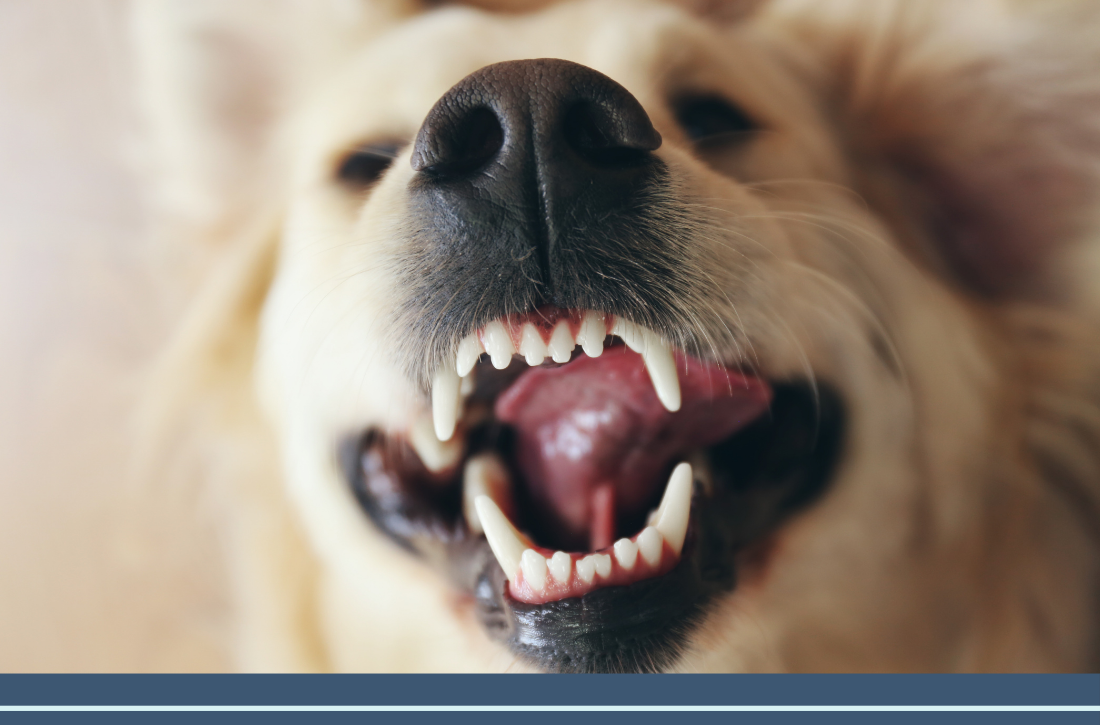
When you lift your dog’s lip, you’re only seeing the crowns of the teeth. A large portion of each tooth is below the gumline.
So while yellow or brown tartar is certainly worth noticing, teeth that look fairly clean don’t necessarily tell us everything that’s happening underneath.
That’s one reason regular veterinary dental exams matter.
Bad Breath Is Worth Paying Attention To
We hear plenty of jokes about dog breath, but consistently bad breath can actually tell you something.
It can be associated with plaque, tartar, gum inflammation, infection, or other problems in the mouth.
If your pet’s breath has become noticeably worse, take a look at their mouth if they’re comfortable letting you.
Do you see red gums? Heavy tartar? Bleeding? A broken tooth? Swelling?
You may not see anything unusual at all, and that’s okay. You’re not expected to diagnose dental disease at home.
The important thing is noticing when something has changed.
“But They’re Still Eating!”
This is one of the most common reasons pet parents assume their pet’s teeth aren’t bothering them.
If their mouth hurt, wouldn’t they stop eating?
You’d think so, but pets don’t always make it that easy for us.
Dogs and cats have a strong instinct to eat. They may chew on the other side of their mouth, chew differently, swallow food with less chewing, or simply continue eating despite discomfort.
Instead of waiting for your pet to stop eating, watch for smaller changes.
You might notice:
- Dropping food while eating
- Chewing on one side of the mouth
- Eating more slowly
- Preferring softer foods
- Pawing at the face or mouth
- Excessive drooling
- Bleeding from the mouth
- Losing interest in favorite chew toys
- Pulling away when you touch their face
- Strong or worsening bad breath
And sometimes you won’t notice any of these things.
That’s why dental disease can be so easy to miss.
So, What Can You Do at Home?
You don’t need to completely overhaul your pet’s routine tomorrow.
The best dental care plan is one you can realistically stick with.
Here are a few places to start.
- Take a Look at Your Pet’s Mouth
Every so often, gently lift your pet’s lip and look at their teeth and gums.
You’re not performing a dental exam. You’re simply getting familiar with what their mouth normally looks like.
Look for redness, bleeding, significant tartar, swelling, broken teeth, or anything that looks different than it did before.
If your pet doesn’t like having their mouth handled, don’t force it. We’d much rather you keep the experience calm and positive.
- Brush Their Teeth If You Can
Brushing is one of the best things you can do at home to help control plaque.
Daily brushing is ideal, but don’t let that discourage you from starting. If daily brushing isn’t realistic for your household, build a routine you can maintain consistently.
And please use toothpaste made for pets. Human toothpaste isn’t meant to be swallowed by dogs or cats.
If your pet has never had their teeth brushed, start slowly.
You might spend the first few days simply getting them comfortable with you touching around their mouth. Then introduce the toothpaste. Next, try gently touching a few teeth with the toothbrush.
You don’t need to brush every tooth perfectly on your first attempt.
A short, positive experience is much more useful than turning tooth brushing into a nightly wrestling match.
- Be Selective About Dental Treats and Chews
Walk down the pet aisle and you’ll find plenty of products promising cleaner teeth and better breath.
They’re not all the same.
One helpful thing to look for is the Veterinary Oral Health Council, or VOHC, seal. VOHC evaluates products based on evidence that they help control plaque or tartar.
For some pets, an appropriate dental chew or other VOHC-accepted product can be a helpful addition to home care, especially if brushing is difficult.
Just remember that a dental chew can help with prevention, but it can’t fix an infected tooth or advanced periodontal disease.
- Be Careful With Very Hard Chews
We understand the logic behind giving a dog something really hard to chew. It seems like it should help scrape the teeth clean.
Unfortunately, harder isn’t always better.
Very hard bones, antlers, and similar items can contribute to fractured teeth.
If your dog is an enthusiastic chewer and you’re not sure what’s appropriate, ask your veterinarian. The right choice can depend on your dog’s size, chewing habits, dental health, and tendency to break off or swallow pieces.
- Ask About Their Teeth at Regular Checkups
At your pet’s next wellness visit, ask a simple question:
“How do their teeth look?”
Even better, ask your veterinarian to show you what they’re seeing.
Maybe everything looks good and you should keep doing what you’re doing. Maybe there’s early gum disease and it’s time to improve home care. Or maybe your veterinarian sees something that warrants a professional dental procedure.
There isn’t one dental schedule that makes sense for every dog or cat.
The goal is to look at the pet in front of us and decide what they actually need.
What Does a Professional Dental Procedure Actually Do?
This is worth understanding because a veterinary dental procedure is about much more than making teeth look prettier.
A comprehensive dental procedure allows the veterinary team to thoroughly examine and clean your pet’s teeth, including the areas below the gumline.
It’s performed under anesthesia so the team can safely and carefully examine the entire mouth without causing your pet fear or discomfort.
Dental X-rays may also be recommended because we can’t see everything by looking at the surface of a tooth.
Think of a tooth a little like an iceberg. There’s a lot happening below the surface.
A tooth might look fairly normal above the gumline while there’s a problem involving the root or surrounding bone underneath. Dental X-rays help us see those hidden areas.
If a damaged or diseased tooth is found, your veterinarian can then talk with you about the appropriate treatment.
The goal isn’t simply a whiter smile.
It’s a healthier, more comfortable mouth.
What About Anesthesia?
It’s completely reasonable to have questions about anesthesia. We want pet parents to ask those questions.
Anesthesia is what allows a veterinary team to thoroughly evaluate and clean below the gumline while keeping your pet still and comfortable. It also allows the airway to be protected during the procedure.
Before a dental procedure, your veterinary team can explain how your pet will be evaluated, what precautions may be recommended, and how they’ll be monitored.
If something makes you nervous, say so.
You should understand what’s being recommended, why it matters, what your options are, and how your pet will be cared for.
Dental Health Is Really About Comfort
This might be the most important part of the conversation.
Pets can live with dental discomfort without making it obvious.
Sometimes families don’t realize how uncomfortable their pet was until after the problem has been treated.
Suddenly their dog wants to play with toys again. Their cat is eating with more enthusiasm. They’re more comfortable having their face touched. They simply seem happier.
That’s when it clicks.
They’d been adapting to discomfort rather than showing us they were hurting.
Regular dental care gives us a chance to find those problems earlier and, ideally, prevent some of them in the first place.
Your Pet’s Dental Care Checklist
If you’re wondering what to do next, keep it simple:
- Take a look at your pet’s teeth and gums this week.
- Pay attention to changes in their breath, chewing, or eating habits.
- Start introducing tooth brushing with pet-safe toothpaste if your pet will tolerate it.
- Look for the VOHC seal when choosing dental products.
- Avoid extremely hard chews that could damage teeth.
- Ask about your pet’s mouth at their next veterinary visit.
- Don’t wait for a routine appointment if you notice swelling, bleeding, a broken tooth, difficulty eating, obvious discomfort, or another significant change.
You don’t have to do everything perfectly.
A few consistent habits can make a meaningful difference.
Helping Pets in North Augusta Keep Healthy Smiles
For pet parents in North Augusta, SC, and surrounding communities like Belvedere, Clearwater, Langley, and Augusta, good dental care starts long before there’s an obvious problem.
It starts with paying attention.
At Riverfront Vet, we provide comprehensive dental care for dogs and cats, but we also believe you should understand what’s happening in your pet’s mouth and why a particular recommendation is being made. There can be different ways to approach your pet’s care, and we’re happy to talk through those options with you.
You don’t need to know everything about veterinary dentistry.
Know what’s normal for your pet. Build a few good habits at home. Pay attention when something changes. And don’t be afraid to ask your veterinary team to show you what they’re seeing.
Your pet may not be able to tell you when a tooth hurts.
But when you know what to look for, you can do a lot to help keep their mouth healthy and comfortable.